Moving Beyond Inertia: The Coaching Program Four Doctors Built From Within
At Wake Forest University School of Medicine, four faculty built a coaching program with no dedicated budget. It has empowered more than a hundred learners, staff, and researchers, and it keeps supporting alumni years after they leave. One of its founders, Dr. Andrew South, is gathering the evidence that it works.
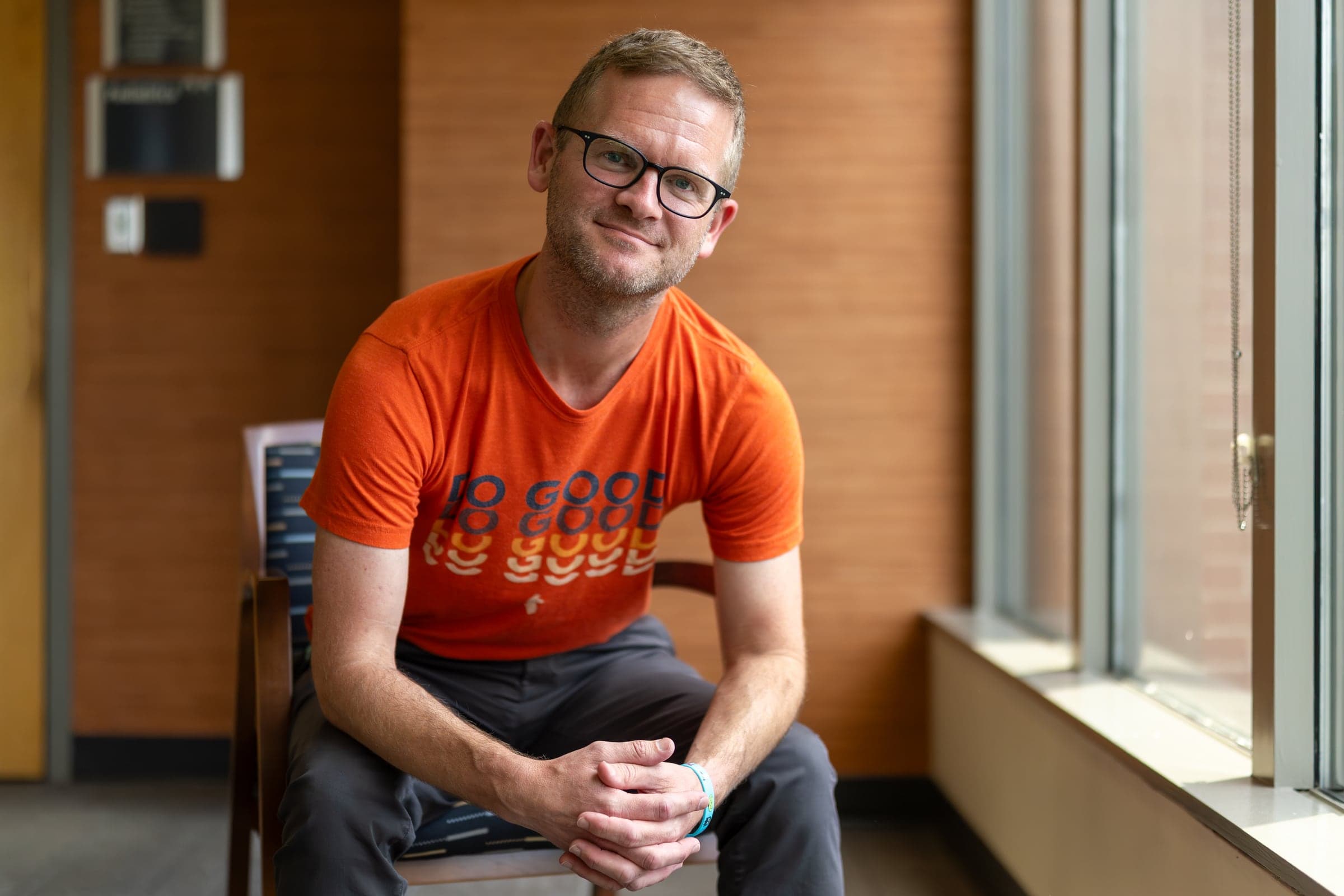
Dr. Andrew South, Wake Forest University School of Medicine · Winston-Salem
Why does it take us three months to sit down and write an email that takes 90 seconds to write?
Dr. Andrew South asks the question about himself. Pediatrician and researcher at Wake Forest University School of Medicine. Eleven years in. NIH funding. A hundred-page CV. The email was high value. It would have moved a goal he cared about. He could not sit down and write it.
He has a word he keeps coming back to: inertia. Moving beyond it, in himself first and then with everyone around him, became his work.
The thing he built
Coming out of the pandemic, several of his grants got funded at once. Suddenly he was responsible for teams and projects at scale, and he noticed something academia does not like to say out loud: nothing in his training had prepared him to lead anything.
So he started learning. The field that stuck with him was coaching.
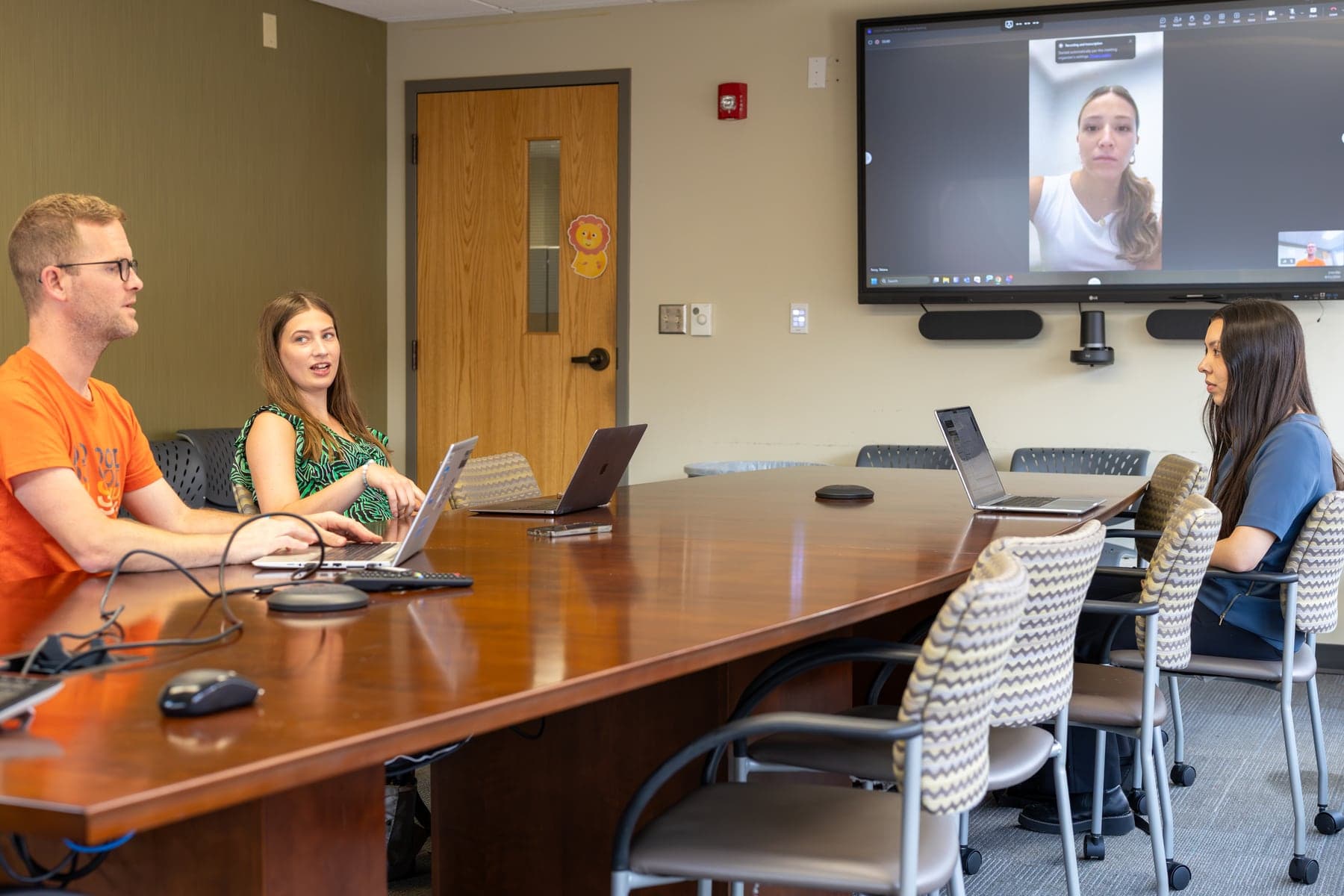
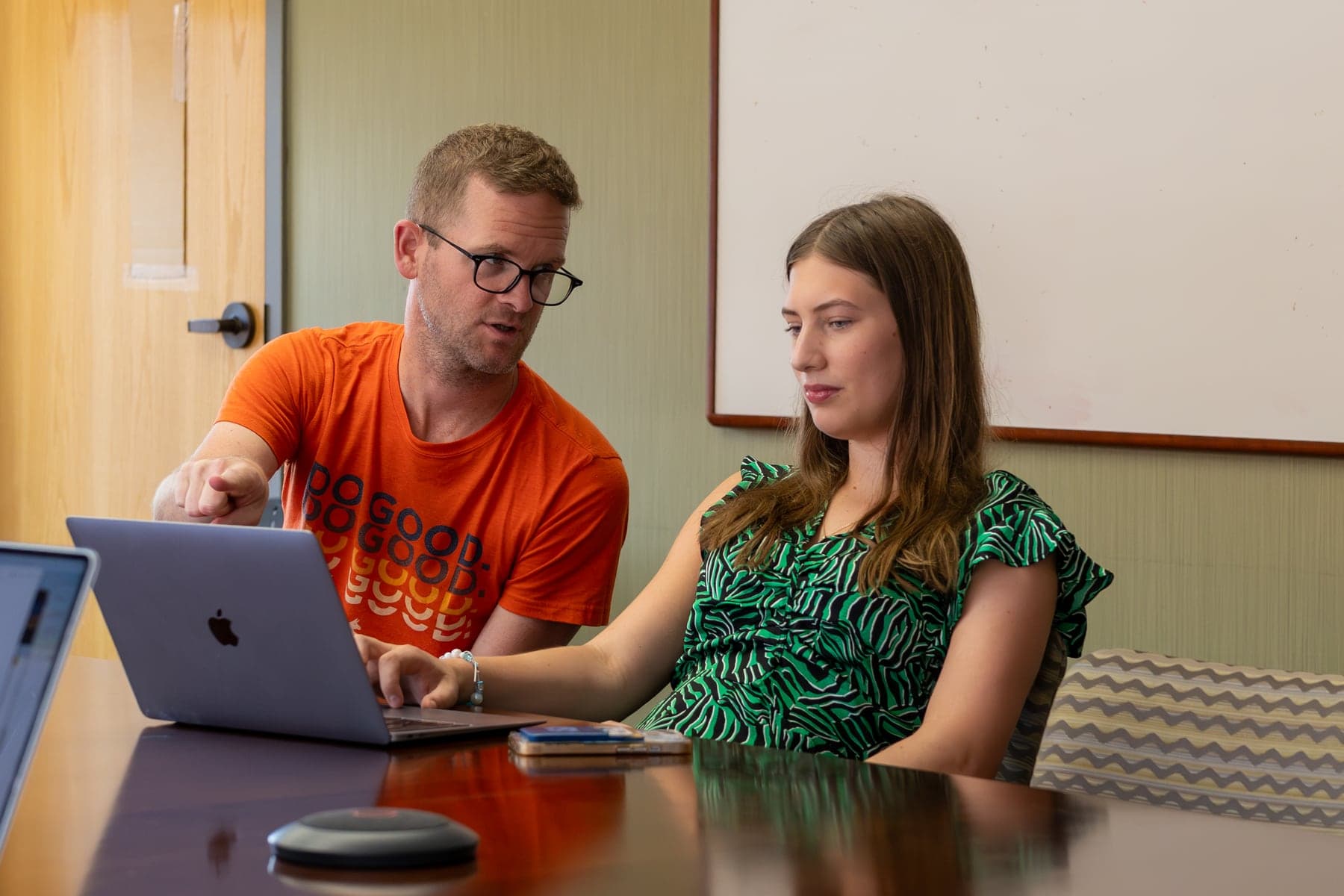
In 2022 he organized what he had been doing informally into COACH Catalyst. The model is simple: use coaching techniques to empower teammates to overcome mental barriers and inertia. Before a session, three questions. What is the goal you are working toward? Where do you feel stuck? What do you want from this meeting? By the end, the person leaves with one or two objectives and due dates.
The commitments are not imposed. They choose them. Then they report back.
One session, anonymized. The goal: a paper for a medical journal, a project deliverable running nine months behind. The writer felt stuck, did not know how to start, and the deadline felt insurmountable. Exploring it, they discovered why. They felt unprepared and did not know what the paper was supposed to look like. They committed to answering four questions, one sentence each, within a week. Why is this important? What is the knowledge gap? What is the research question? If successful, what is the impact on human health?
Two weeks later they had not only written the four sentences. They realized the sentences were the outline of the paper, and they had written half of the paper.
“Coaching is a natural way to compassionately walk in life with somebody. As a coach, you’re invited into that space. Which means the other person is naturally receptive to feedback, because they are internally motivated to change.”
The team is five core faculty now: Dr. South, Dr. Carol Vincent, Dr. Giya Harry, and Dr. Justin Kramer at Wake Forest, and Dr. Ashton Chen in Austin, Texas. Around twenty active learners at any time, from undergraduates to clinical residents and fellows. About a hundred people coached and mentored over eight years. Some graduated six or seven years ago and still collaborate on projects.
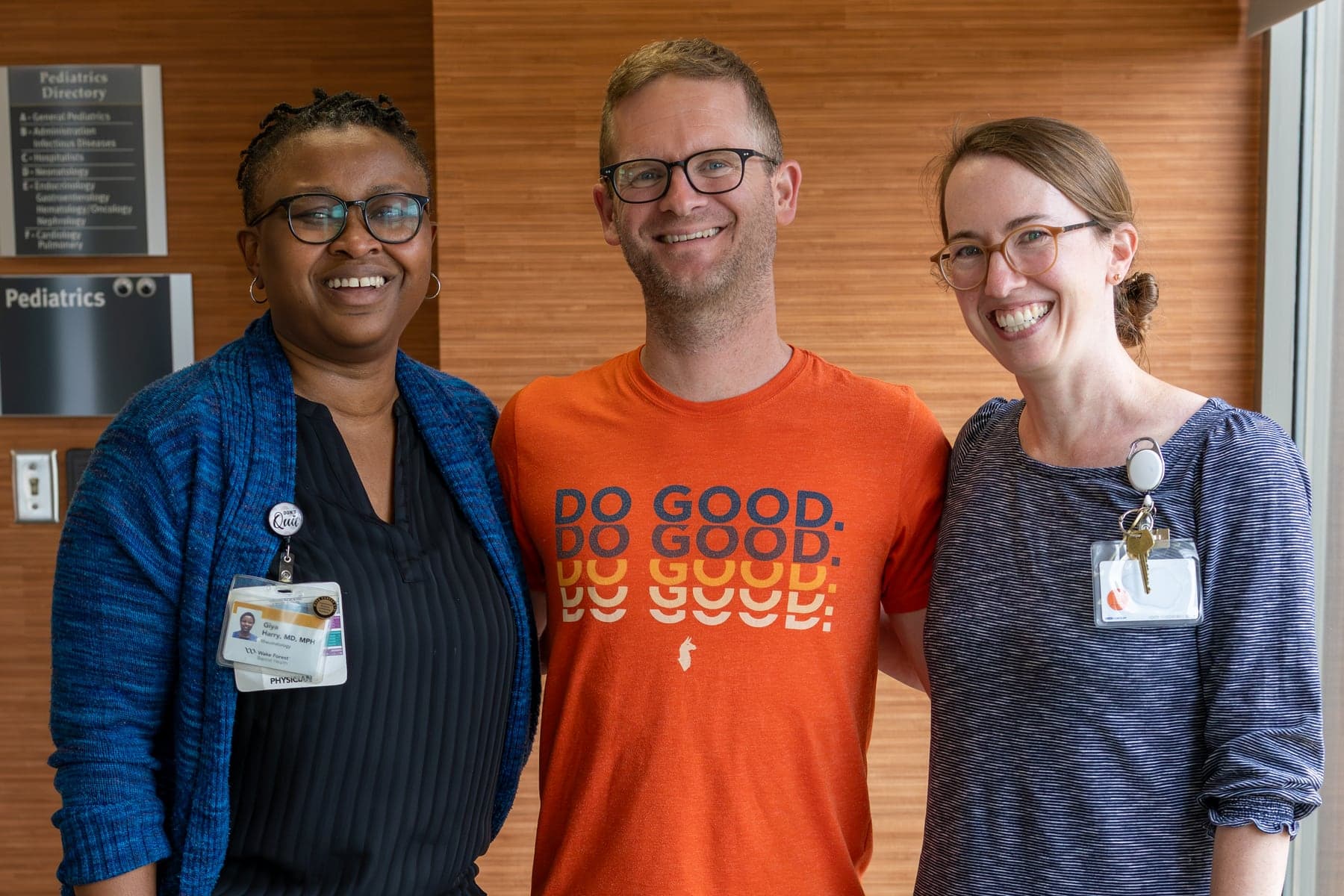
COACH Catalyst itself has no dedicated funding. The core faculty work is volunteer. The backing has come in other forms: the School of Medicine’s Clinical and Translational Science Institute, the Department of Pediatrics, and the Department of Surgery have all supported the work.
He tracked it
South is a researcher, so of course he ran the numbers. Over his career, he and his team have demonstrated a substantial return on roughly half a million dollars in organizational pilot funding.
increase in extramural grant funding as principal investigator
increase in extramural funding as co-investigator
annual growth in the team’s abstracts since launch in 2022
annual growth in the team’s publications since launch
The clearest early signal for COACH Catalyst itself is more recent. Abstracts and publications, key measures of productivity and impact, have climbed sharply since the program launched. The team is now being invited to share the approach with other groups at Wake Forest and with organizations across the country.
Why it works
Underneath the program sits the Empowerment Catalyst Framework, which South spent years building. It guides everything the team does in pursuit of their mission and vision.
The mission: to empower each other to solve problems we care about. The vision: a world in which all of us can live healthy and fulfilled lives.
The mindset shows up in small places. He got tired of email chains to schedule meetings, so he sends people a Bookings link instead. A meeting or a task lands directly on his calendar. No back and forth, no juggling dates and times. A barrier most people take for granted, gone.
From people to systems
What works one researcher at a time works at scale. Just as at the individual level, the team helps people and groups move beyond organizational inertia, empowering people inside institutions to think, challenge assumptions, act on good ideas, and finish things.
Where it goes next
The methods were designed from the start to be scalable and transportable. A writing curriculum that gets researchers unstuck. A coaching layer for any team adopting new tools or new habits.
What South wants next is reach. Support, room to grow, ways to bring the work to more teams.
For now, every Tuesday and Thursday afternoon, the team meets in Winston-Salem. A teammate names the thing that is stuck. They coach each other toward solutions and next steps. A deadline goes on the calendar.
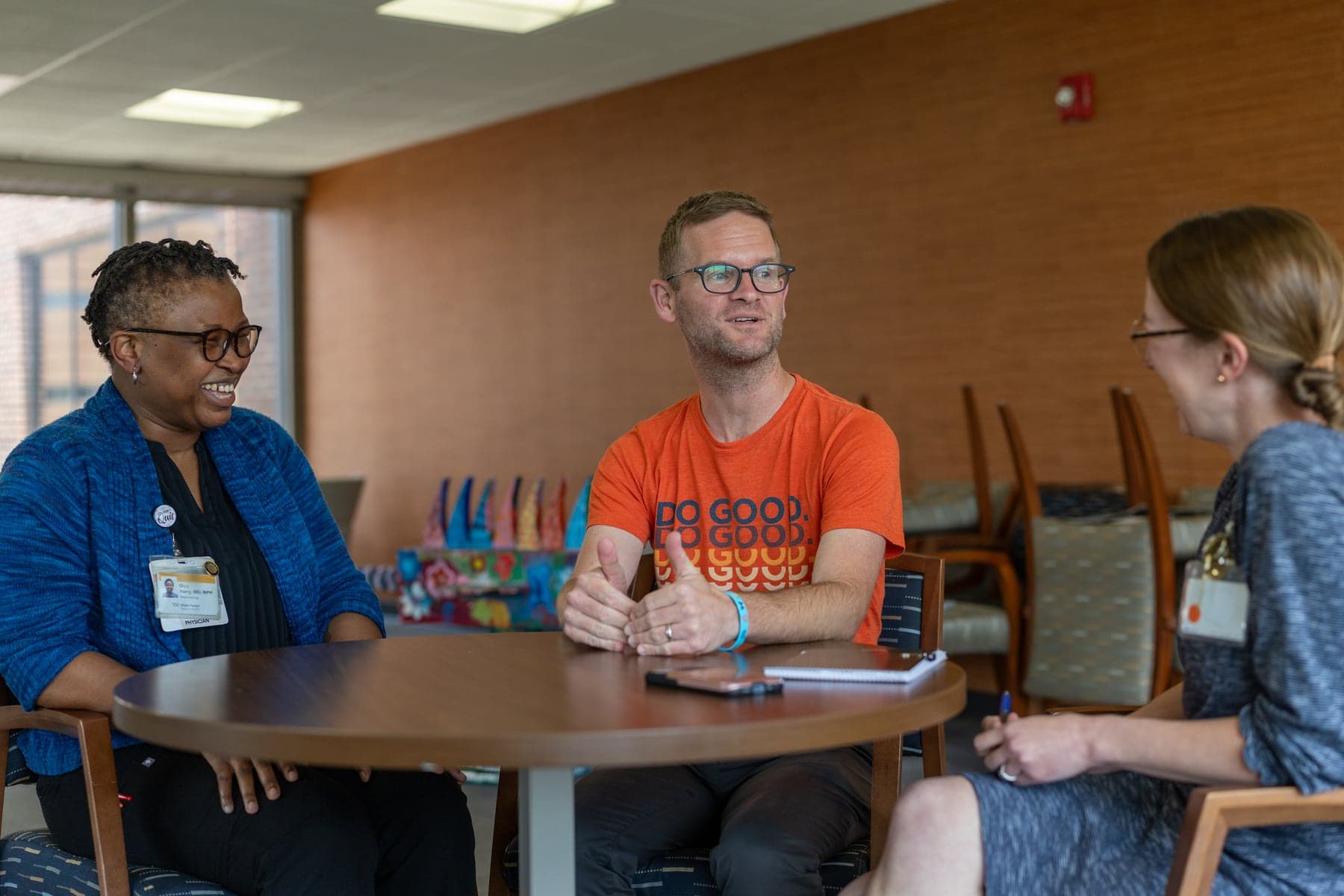
The work moves. Every day they get better and do better.
Support COACH Catalyst or bring the team in
To support the work or invite the team to share the approach, reach out directly, or book time with Dr. South.
 Scan to book
From the team
COACH Catalyst · Wake Forest University School of Medicine
3 photos · click any image to view full size
Charlotte Health Tech Briefing
Monthly updates on Charlotte's health tech ecosystem. New companies, funding news, and opportunities.